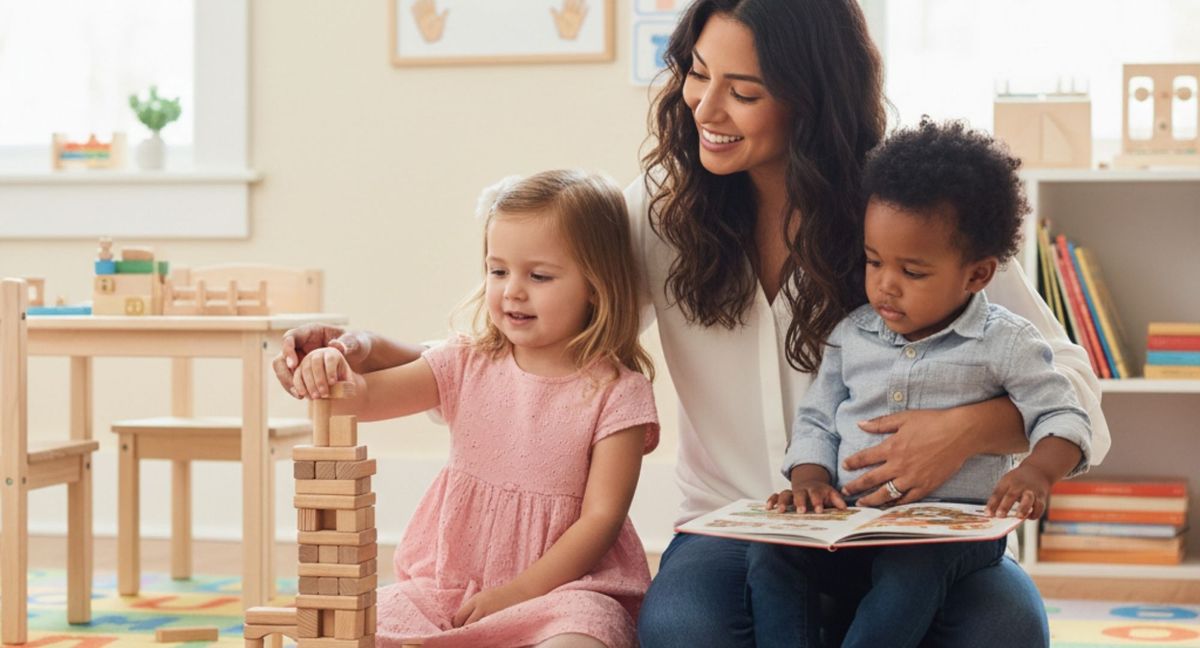
As a parent or caregiver, navigating the toddler years often involves balancing boundless energy with establishing fundamental behavioral guidelines. At Pine Hills Learning Place, we understand that encouraging good behavior is crucial for a child's development, fostering essential social and emotional skills. The key to a positive approach is consistency, clear communication, and a focus on positive reinforcement rather than punishment. By implementing a few simple, professional strategies, you can help your child thrive and build a cooperative, happy environment at home and in our learning center.
Prioritize Positive Reinforcement
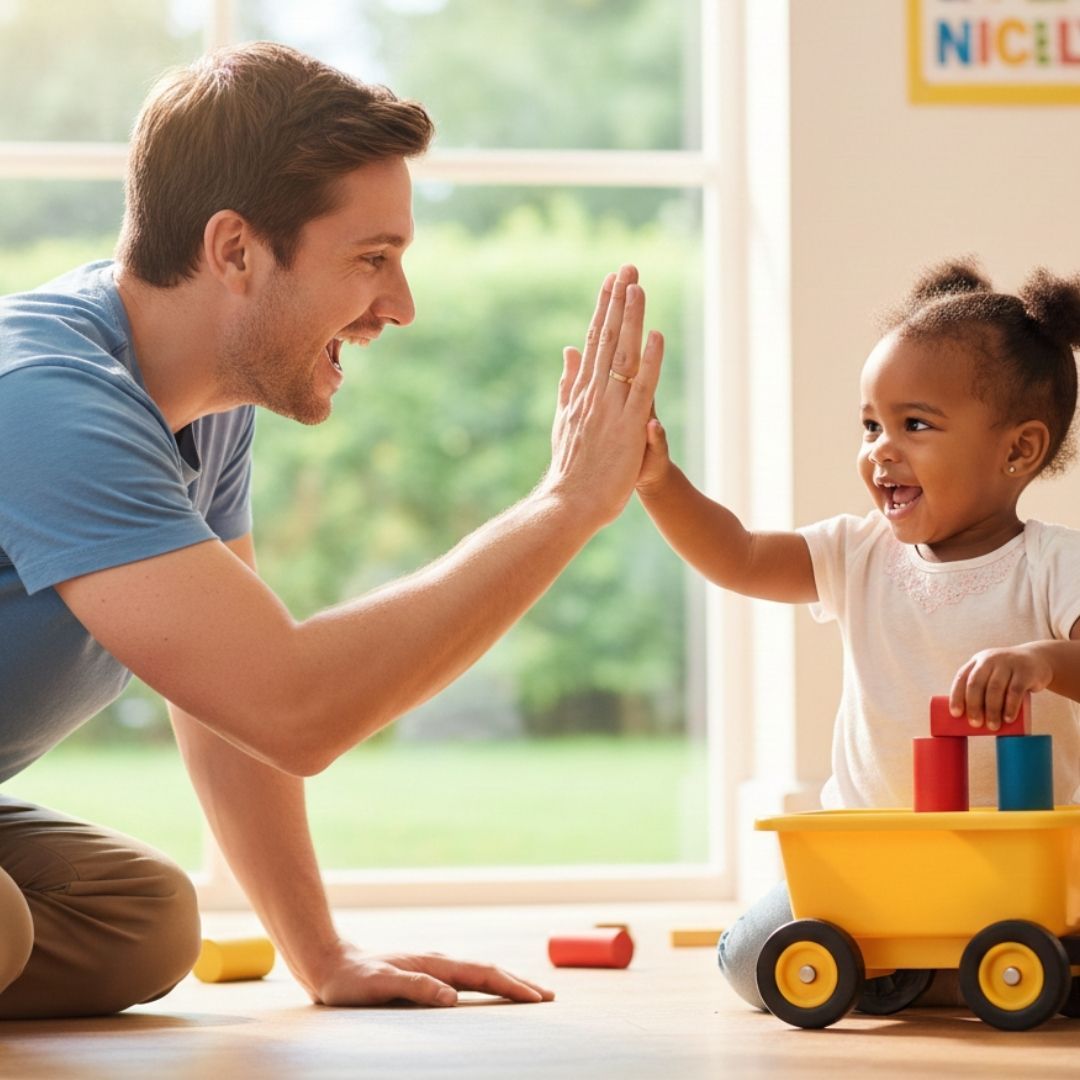
Focusing on and praising desirable actions is significantly more effective than dwelling on misbehavior. When your toddler shares a toy or uses a "please," offer immediate, specific praise ("I love how you shared your blocks with your friend!"). This positive attention reinforces the good behavior, making them more likely to repeat it. Acknowledge effort, not just success, to build a growth mindset from an early age.
Establish Clear and Simple Rules
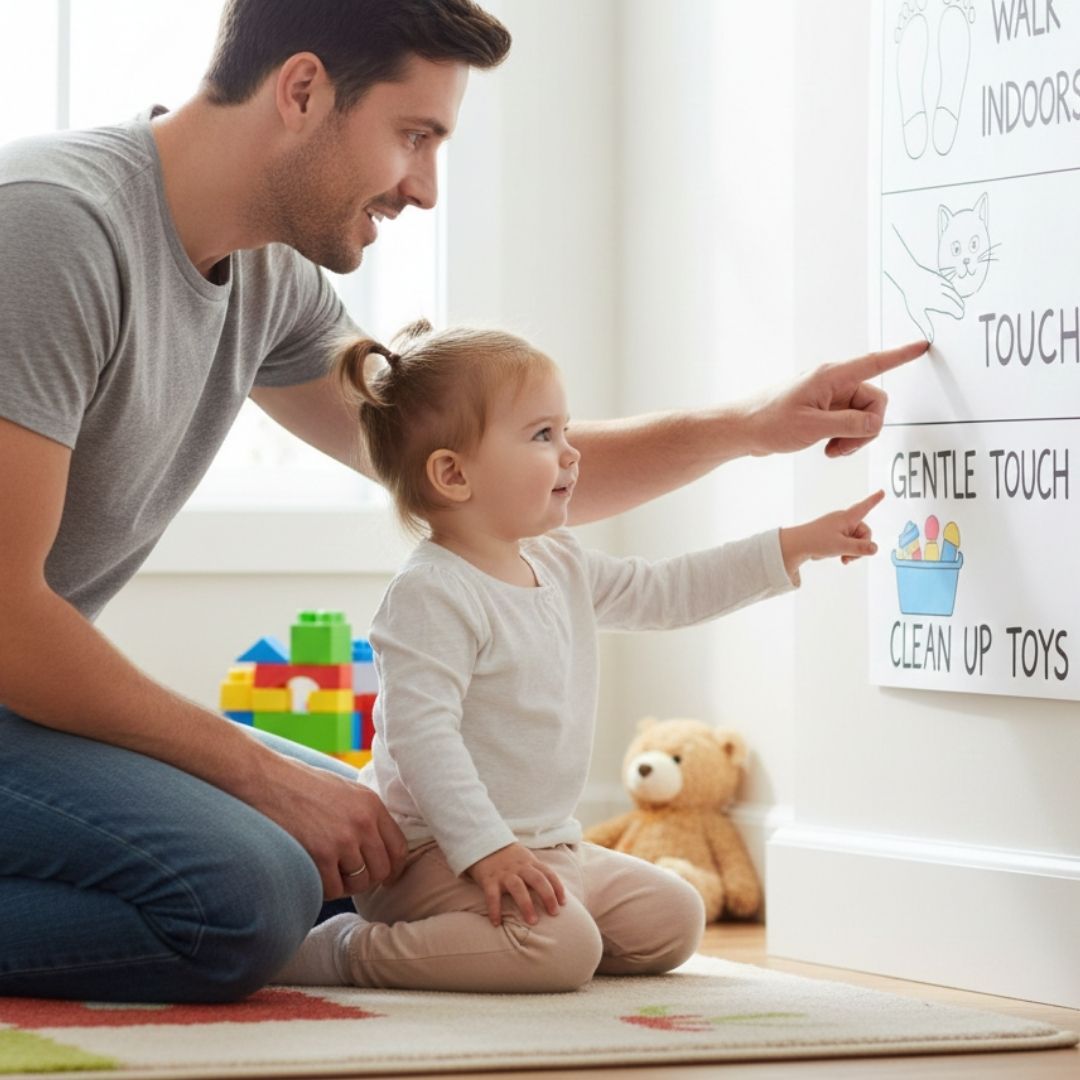
Toddlers flourish when they understand expectations. Keep rules few, direct, and easy to follow. Instead of saying "Be good," try "We use walking feet inside" or "We are gentle with our friends." Reviewing these rules consistently—especially before transitions or new activities—provides the framework your child needs to make good choices. Visual aids can also be very helpful for this age group.
Use Redirection and Planned Ignoring
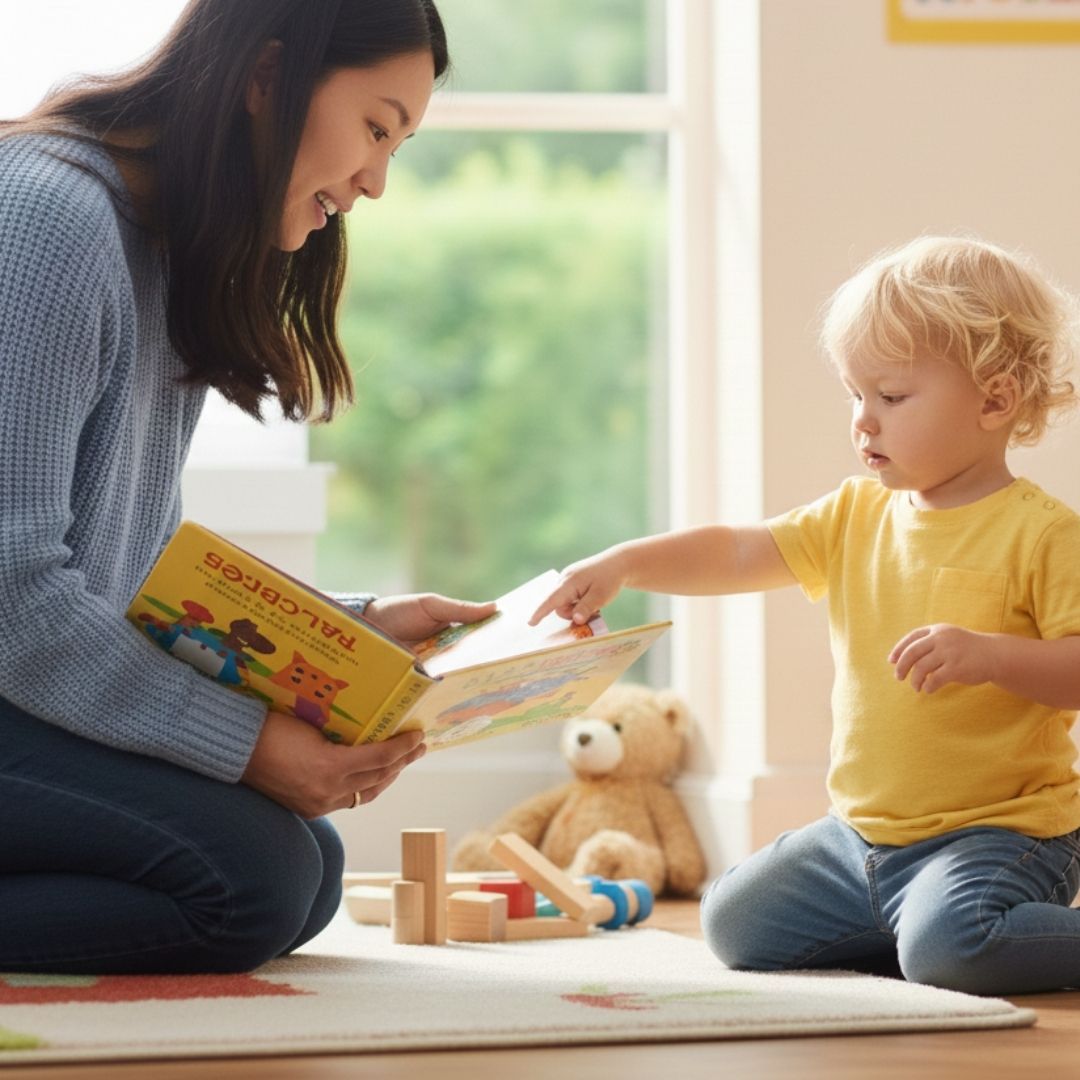
When minor misbehavior occurs (like whining or fussing over a toy), a powerful tool is redirection. Immediately draw their attention to a new, engaging activity. For harmless but attention-seeking behaviors, planned ignoring is effective. Once the undesirable behavior stops, quickly re-engage with them. This teaches them that positive behavior is the most reliable way to get your attention.
Model the Behavior You Wish to See
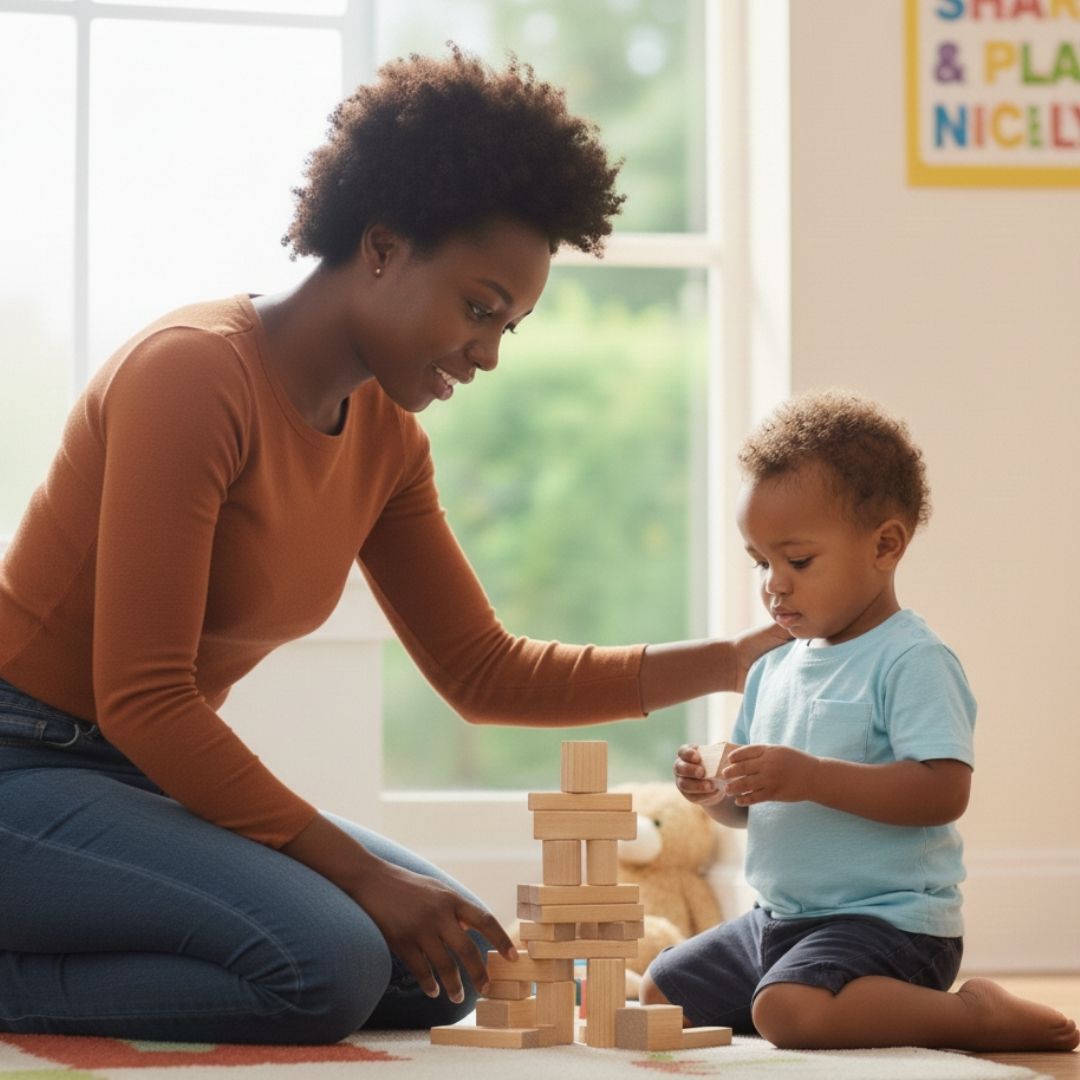
Children learn by observing, and you are their primary role model. Demonstrate patience, use polite language, and manage your own frustration in healthy ways. When you model cooperative and respectful behavior, you provide a practical, everyday lesson for your toddler to internalize. Remember to apologize if you make a mistake, showing them how to handle errors responsibly.
Implementing these four strategies will help create a nurturing environment where your toddler can develop strong social and emotional intelligence. Consistent positive guidance paves the way for a successful transition into preschool and beyond. To learn more about our positive guidance philosophy, visit Pine Hills Learning Place today.